
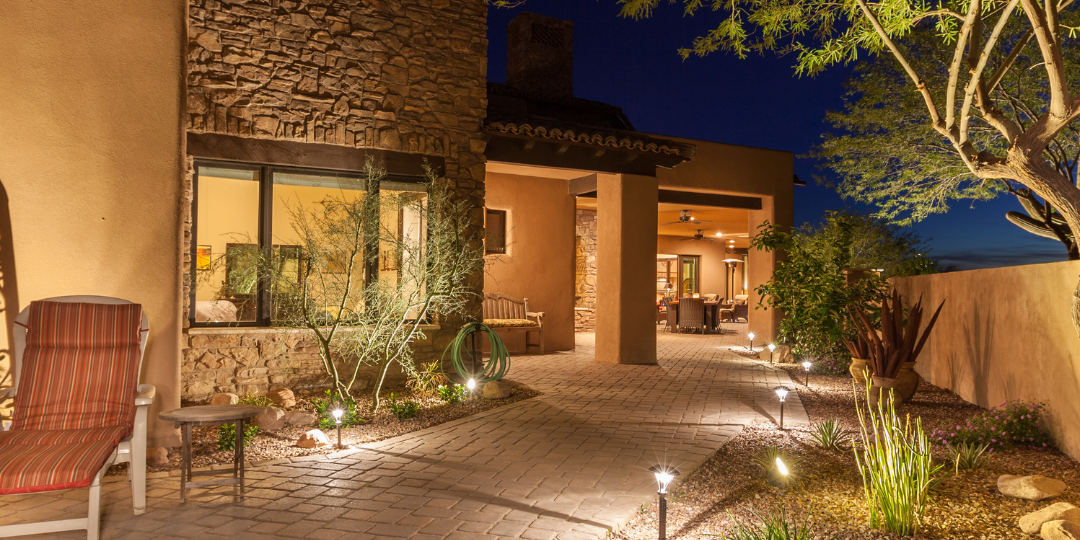
A professionally designed outdoor lighting system does more than illuminate a property. It enhances curb appeal, improves safety, creates ambiance, and highlights the architectural and landscape features that make a home or commercial space stand out. However, like any exterior system exposed to the elements, outdoor lighting requires regular care to continue performing at its best.
Landscape lighting maintenance is an essential part of protecting your investment and preserving the beauty, functionality, and reliability of your lighting system. Over time, dirt, moisture, weather exposure, shifting landscaping, and normal wear can affect the performance of fixtures, bulbs, wiring, and controls. Without proper maintenance, even a high quality lighting system can lose brightness, develop electrical issues, or stop working altogether.
Routine maintenance helps ensure that your outdoor lighting remains efficient, safe, and visually appealing throughout the year. From cleaning fixtures and checking connections to replacing worn components and adjusting lighting angles, proactive care can significantly extend the life of your system while reducing the likelihood of costly repairs.
At Halo Outdoor, we understand that premium outdoor lighting is more than just illumination. It is a carefully designed feature that adds value and sophistication to a property. Since 2008, our team has specialized in designing and building exceptional lighting systems for residential and commercial clients, helping protect and maintain those systems for long term performance.
How to Maintain Landscape Lighting
If you are wondering how to maintain landscape lighting, the good news is that regular upkeep can go a long way in preserving the performance and appearance of your system. Consistent landscape lighting maintenance helps prevent small issues from becoming expensive repairs while keeping your outdoor lighting looking its best.
Here are some of the most important maintenance steps to follow:
Clean Fixtures Regularly
Outdoor lighting fixtures are constantly exposed to dirt, dust, mulch, grass clippings, pollen, and other debris. Over time, buildup on lenses and fixtures can reduce brightness and affect the quality of illumination.
Regular cleaning helps:
- Improve light output
- Maintain fixture appearance
- Prevent dirt and moisture buildup
Use a soft cloth and gentle cleaner to wipe down fixtures and remove debris around the lighting area.
Inspect Bulbs and LED Components
One of the most important parts of landscape lighting maintenance is checking bulbs and LED components for signs of wear. Although modern LED outdoor lighting systems last much longer than traditional bulbs, they can still dim or fail over time.
Watch for signs such as:
- Flickering lights
- Reduced brightness
- Uneven illumination
- Lights that no longer turn on
Replacing worn components promptly helps keep your system functioning properly.
Check Wiring and Connections
Outdoor lighting systems rely on secure electrical connections to perform safely and efficiently. Exposure to moisture, shifting soil, and general wear can sometimes affect wiring or connectors.
During inspections, check for:
- Loose connections
- Corrosion
- Damaged wires
- Moisture intrusion
If electrical issues are suspected, professional lighting services are recommended to ensure safe repairs.
Trim Plants Around Fixtures
As landscaping grows and changes, plants, shrubs, and ground cover can begin to block fixtures or alter the intended lighting design.
Routine trimming helps:
- Restore proper light distribution
- Prevent overheating in covered fixtures
- Maintain the original lighting effect
This is a simple but often overlooked part of maintaining outdoor lighting.
Adjust Fixture Positioning
Over time, fixtures may shift due to weather, landscaping work, soil movement, or accidental contact. Misaligned fixtures can reduce effectiveness and create uneven lighting.
Periodically check to ensure lights are:
- Aimed correctly
- Securely positioned
- Highlighting intended features
Schedule Professional Maintenance
While basic upkeep can be handled regularly, professional lighting services can identify hidden issues before they become major problems. A trained lighting specialist can inspect transformers, electrical connections, controls, and fixture performance to keep the entire system operating as intended.
For premium outdoor lighting systems, professional maintenance helps protect performance, efficiency, and long term reliability.
Why Do Landscape Lights Stop Working? Common Problems to Watch For
A landscape lighting system that suddenly stops working can be frustrating, especially when it affects the beauty, safety, and functionality of your property. If you have ever wondered why landscape lights stop working, the answer can range from a simple bulb issue to more complex electrical problems. Understanding the most common causes can help you identify potential issues early and keep your outdoor lighting system operating properly.
Burned Out Bulbs or Failing LED Components
One of the most common reasons landscape lights stop working is a bulb or LED component reaching the end of its lifespan. While modern LED systems are known for their durability and efficiency, no lighting component lasts forever.
Signs of bulb or LED failure include:
- Lights that no longer turn on
- Flickering illumination
- Reduced brightness
- Inconsistent lighting performance
Do landscape lights burn out? Yes, they do. Even long lasting LED fixtures will eventually experience wear over time and may need replacement.
Damaged or Loose Wiring
Outdoor lighting systems rely on electrical wiring that is exposed to changing weather conditions, soil movement, landscaping activity, and moisture. Over time, wiring can become damaged, disconnected, or corroded.
Common wiring issues include:
- Loose wire connections
- Broken cables
- Corroded connectors
- Damage caused by digging or landscaping work
Because wiring issues can affect the safety of your system, professional lighting services are often the safest solution for diagnosing and repairing these problems.
Transformer Problems
The transformer is a critical component in many low voltage outdoor lighting systems because it converts household power into the voltage required by the fixtures. If the transformer fails or malfunctions, multiple lights or even the entire system may stop working.
Possible transformer issues include:
- Overloaded circuits
- Age related failure
- Internal electrical faults
- Improper settings or timer issues
If several lights go out at once, the transformer may be one of the first components to inspect.
Water Intrusion and Moisture Damage
Outdoor lighting fixtures are designed for exterior use, but excessive moisture can still cause issues if seals fail or connections are not properly protected.
Water intrusion can lead to:
- Corrosion inside fixtures
- Short circuits
- Flickering lights
- Fixture failure
This is why proper sealing and regular landscape lighting maintenance are so important for long term system performance.
Tripped Breakers or Power Supply Issues
Sometimes the issue is not with the fixtures themselves but with the electrical supply powering the system. A tripped breaker, faulty timer, or disrupted power source can cause lights to stop working unexpectedly.
Things to check include:
- Circuit breakers
- Timers and controls
- GFCI outlets
- Power supply connections
A quick inspection can sometimes reveal a simple fix before a larger repair is needed.
Fixture Positioning and Environmental Damage
Outdoor lighting fixtures can also stop working because of physical damage or shifting over time. Lawn equipment, storms, soil movement, and accidental impact can damage fixtures or disconnect wiring.
Signs of physical damage include:
- Cracked housings
- Bent fixtures
- Exposed wires
- Lights that no longer aim correctly
Routine inspections can help catch these problems before they lead to complete fixture failure.
When landscape lights stop working, the issue is often a combination of age, environmental exposure, and normal wear. Regular maintenance and professional inspections can help identify problems early and keep your outdoor lighting system performing reliably year round.
What Should I Use to Seal Outdoor Light Fixtures?
Proper sealing is an important part of landscape lighting maintenance because outdoor lighting systems are constantly exposed to rain, irrigation, humidity, temperature changes, and debris. If moisture enters a fixture or electrical connection, it can lead to corrosion, short circuits, flickering lights, and premature system failure. This is why many property owners ask what should I use to seal outdoor light fixtures.
The right sealing materials and techniques can help protect your lighting system and improve long term reliability.
Use Weather Resistant Gaskets and Fixture Seals
Many quality outdoor lighting fixtures are designed with built in gaskets or protective seals that help keep moisture out of sensitive internal components. These seals create a barrier between the fixture housing and the surrounding environment.
During routine inspections, check for:
- Cracked or worn gaskets
- Loose fixture covers
- Signs of moisture inside the fixture
- Damaged seals around lenses or housing components
If seals begin to deteriorate, replacing them promptly can help prevent moisture related damage.
Use Outdoor Rated Silicone Sealant When Appropriate
In some cases, an outdoor rated silicone sealant can be used to help seal certain fixture components or entry points where moisture could enter. However, it is important to use products specifically designed for outdoor electrical applications.
Look for sealants that are:
- Weather resistant
- Waterproof
- Flexible in changing temperatures
- Safe for electrical use
Improper sealants may crack over time or trap moisture in areas where ventilation is needed, so professional installation guidance is often recommended.
Protect Electrical Connections with Waterproof Connectors
One of the most common failure points in outdoor lighting systems is exposed or poorly sealed wire connections. Waterproof connectors are specifically designed to protect electrical connections from moisture and corrosion.
These connectors help:
- Keep water away from wiring
- Prevent corrosion
- Improve electrical reliability
- Extend the life of the lighting system
This is especially important in landscape lighting systems installed in mulch beds, soil, or areas with frequent irrigation.
Avoid Over Sealing Fixtures
While sealing is important, too much sealing can actually create problems. Some fixtures are designed with specific ventilation or drainage features that allow condensation to escape. Blocking these areas can trap moisture inside the fixture rather than protecting it.
For this reason, sealing should always be done carefully and according to fixture design requirements.
Professional Installation and Maintenance Matter
A properly installed outdoor lighting system should already include weather resistant protection at key connection points and fixtures. During routine landscape lighting maintenance, professional lighting services can inspect seals, connectors, and fixture integrity to ensure the system remains protected against the elements.
At Halo Outdoor, we know that premium outdoor lighting systems require more than just beautiful design. Long term durability depends on proper installation, quality materials, and ongoing maintenance that protects fixtures from environmental wear. Sealing outdoor light fixtures correctly is one small but important part of keeping your lighting system operating reliably year after year.
How Long Do Outdoor Landscape Lights Last?
The lifespan of outdoor lighting depends on the quality of the system, the environment it is installed in, and how well it is maintained over time. For property owners investing in landscape lighting maintenance, understanding longevity helps set expectations and plan for future upgrades or repairs.
LED Outdoor Lighting Lifespan
Modern outdoor lighting systems typically use LED technology, which is significantly more durable and energy efficient than traditional bulbs. In many cases, high quality LED fixtures can last tens of thousands of hours before requiring replacement.
However, even LED systems will gradually decline in performance. Instead of suddenly failing, they often dim slowly over time, which can affect the overall appearance of your landscape lighting design.
Fixture Quality and Materials
The physical fixture plays a major role in how long outdoor lighting lasts. Premium fixtures made from durable materials such as brass, copper, or high grade aluminum generally outperform lower quality plastic or thin metal alternatives.
Key factors that influence lifespan include:
- Resistance to corrosion
- Ability to withstand weather exposure
- Quality of internal components
- Design of seals and protective housings
Higher quality outdoor lighting systems installed by professional lighting services tend to last significantly longer due to better materials and installation standards.
Environmental Conditions
Where the system is installed also affects longevity. Outdoor lighting in harsher environments will typically experience more wear.
Environmental factors include:
- Heavy rain or snow exposure
- High humidity or coastal salt air
- Extreme temperature fluctuations
- Irrigation overspray
- Soil movement and landscaping activity
Regular landscape lighting maintenance helps reduce the impact of these conditions by catching early signs of wear.
Transformers and System Components
While fixtures may last many years, other system components such as transformers, timers, and wiring may require replacement or repair sooner. These parts are essential for system performance and can affect the entire outdoor lighting setup if they begin to fail.
Typical Lifespan Expectations
In general, a professionally installed outdoor lighting system can last many years when properly maintained. While individual components may be replaced over time, the overall system can remain functional and visually effective with ongoing care.
Routine inspections and professional lighting services help extend the lifespan of the system by ensuring that small issues are addressed before they impact performance.
With consistent maintenance, outdoor lighting can remain both functional and visually striking for a long period, making it a valuable long term investment for residential and commercial properties alike.
Do Landscape Lights Burn Out? Understanding Fixture and Bulb Lifespan
A common question in landscape lighting maintenance is whether landscape lights actually burn out. The short answer is yes, but the way they fail depends on the type of system and components being used.
Understanding how and why outdoor lighting components reach the end of their lifespan helps property owners maintain reliable performance and avoid unexpected outages.
Traditional Bulbs Versus LED Systems
Older outdoor lighting systems often used halogen or incandescent bulbs, which are more prone to burning out suddenly. These bulbs have a shorter lifespan and are more sensitive to heat, voltage fluctuations, and frequent use.
Modern outdoor lighting systems typically use LED technology, which behaves differently. Instead of burning out suddenly, LEDs usually:
- Gradually dim over time
- Lose efficiency slowly
- Maintain functionality for a much longer period
Even though LEDs last significantly longer, they are not permanent and will eventually need replacement as part of ongoing landscape lighting maintenance.
Why Lights Appear to “Burn Out”
When outdoor lighting stops working, it is not always the bulb itself. Many issues can mimic a burned out light, including:
- Loose wiring connections
- Corroded fixtures
- Transformer or power supply issues
- Water intrusion inside the fixture
- Damaged LED drivers or internal components
This is why professional lighting services often perform system diagnostics before replacing components.
Environmental Impact on Light Lifespan
Outdoor lighting is constantly exposed to environmental stress. Over time, this exposure can contribute to what looks like burn out.
Common environmental factors include:
- Moisture and rain exposure
- Temperature fluctuations
- Dirt and debris buildup
- Irrigation spray hitting fixtures directly
These conditions can shorten the effective lifespan of both bulbs and fixtures if not addressed through regular maintenance.
How Maintenance Extends Light Lifespan
Consistent landscape lighting maintenance plays a major role in preventing premature failure. Regular inspections and cleaning help ensure that components operate within their intended conditions.
Maintenance helps:
- Prevent overheating caused by dirt buildup
- Identify failing components early
- Protect electrical connections from corrosion
- Maintain consistent light output across the system
When Replacement Is Needed
Even with proper care, all outdoor lighting components eventually reach the end of their lifespan. When lights begin to dim significantly, flicker frequently, or fail to respond to repairs, replacement may be the most effective solution.
At that stage, upgrading to modern outdoor lighting systems can improve efficiency, reliability, and overall visual performance while reducing long term maintenance needs.
Seasonal Outdoor Lighting Maintenance Tips Including Holiday Lighting
Seasonal changes have a direct impact on outdoor lighting systems, making routine adjustments an important part of long term landscape lighting maintenance. Temperature shifts, increased moisture, and seasonal landscaping activity can all affect performance, appearance, and reliability.
Planning ahead for each season helps protect your outdoor lighting investment and ensures your system continues to perform as intended throughout the year.
Preparing Outdoor Lighting for Seasonal Changes
As weather conditions change, your outdoor lighting system may need small adjustments to maintain performance. This includes checking fixtures after storms, ensuring proper alignment after landscaping work, and inspecting for any moisture intrusion caused by heavy rain or snow.
Key seasonal maintenance tasks include:
- Inspecting fixtures for weather damage
- Checking for shifted or misaligned lights
- Clearing debris such as leaves, snow, or mulch buildup
- Ensuring timers and controls are functioning properly
These steps help maintain consistent performance across all types of outdoor lighting installations.
Maintaining Lighting Performance in Wet and Cold Conditions
Rain, snow, and freezing temperatures can all affect outdoor lighting systems. Water exposure combined with temperature fluctuations can lead to condensation inside fixtures or stress on electrical components.
To reduce issues during colder or wetter months:
- Confirm all fixtures are properly sealed
- Check for exposed or vulnerable wiring
- Ensure drainage around fixtures is not blocked
- Monitor for flickering or inconsistent output
Proper sealing and routine inspections are essential parts of landscape lighting maintenance during harsh weather conditions.
Holiday Lighting Considerations
Seasonal installations such as Holiday Lighting require additional planning and care. Temporary lighting setups often place extra load on electrical systems and introduce new wiring or connection points that need to be managed properly.
When adding or maintaining Holiday Lighting, it is important to:
- Avoid overloading existing transformers or circuits
- Use outdoor rated extension cords and connectors
- Secure temporary fixtures to prevent movement or damage
- Ensure safe integration with existing outdoor lighting systems
After the season ends, all temporary lighting should be carefully removed and inspected before storage to prevent damage and ensure future usability.
Protecting Your Outdoor Lighting Year Round
Seasonal maintenance is not just about reacting to weather changes but also preparing your system in advance. A proactive approach helps extend the life of your outdoor lighting and reduces the likelihood of unexpected failures during peak usage times.
Professional lighting services can provide seasonal inspections and adjustments to ensure your system remains efficient and visually consistent throughout the year. Regular care helps preserve both the function and design intent of your lighting system in every season.
When to Call Professional Lighting Services
While routine landscape lighting maintenance can be handled through basic inspections and cleaning, there are times when professional support becomes essential. Outdoor lighting systems involve electrical components, buried wiring, and complex design layouts that require technical expertise to diagnose and repair safely.
Knowing when to involve professional lighting services helps prevent small issues from turning into larger system failures and ensures your outdoor lighting continues to perform as intended.
Persistent or Widespread System Failures
If multiple fixtures stop working at the same time, or if issues keep returning after simple fixes, this often indicates a deeper system problem. Common causes may include transformer failure, wiring faults, or power distribution issues.
Signs you should call a professional include:
- Several lights failing at once
- Recurring outages in the same area
- Inconsistent brightness across zones
- System not responding to timers or controls
These issues usually require diagnostic tools and technical expertise to resolve correctly.
Electrical or Wiring Concerns
Outdoor lighting systems operate in environments where moisture, soil movement, and physical disruption can affect wiring integrity. Attempting to repair electrical issues without proper training can create safety risks or further damage the system.
Professional assistance is recommended when there are:
- Suspected damaged or buried wiring
- Signs of corrosion at connection points
- Exposed or compromised electrical components
- Frequent breaker trips related to lighting
A trained technician can safely locate and repair faults while ensuring the system remains compliant and secure.
Design Adjustments or System Upgrades
Over time, landscaping changes can affect how outdoor lighting performs. Trees grow, garden layouts evolve, and property usage may shift. When lighting no longer highlights key features effectively, adjustments may be needed.
Professional lighting services can help with:
- Re-aiming or repositioning fixtures
- Expanding existing systems
- Upgrading outdated components
- Improving energy efficiency with modern technology
These updates ensure your outdoor lighting continues to align with your property’s design.
Preventive Maintenance for Long Term Performance
Even when no visible issues are present, scheduling periodic professional inspections is a key part of long term landscape lighting maintenance. Professionals can identify early signs of wear that are not always obvious, such as internal corrosion, voltage drops, or failing components.
Regular service helps:
- Extend system lifespan
- Maintain consistent light quality
- Reduce unexpected repair costs
- Protect your original lighting investment
At Halo Outdoor, professional lighting services are designed to support both the design integrity and long term performance of premium outdoor lighting systems. With the right maintenance approach, your lighting can continue to perform reliably and beautifully year after year.
Protect Your Investment with Proper Landscape Lighting Maintenance
A well designed outdoor lighting system is a long term investment that enhances the beauty, safety, and functionality of a property. However, like any exterior system, it requires ongoing care to perform at its best. Consistent landscape lighting maintenance helps ensure that your system continues to operate reliably while preserving the quality of the original design.
From cleaning fixtures and checking wiring to understanding why landscape lights stop working or how long outdoor landscape lights last, each part of maintenance plays a role in protecting performance. Addressing issues early, using proper sealing methods for outdoor light fixtures, and recognizing when components naturally reach the end of their lifespan all contribute to a healthier, longer lasting system.
Seasonal care, including attention to Holiday Lighting setups and weather related adjustments, further supports system longevity. At the same time, understanding when to involve professional lighting services ensures that electrical issues, design changes, and system upgrades are handled safely and correctly.
At Halo Outdoor, we specialize in high end outdoor lighting design, installation, and long term care. Since 2008, our team has helped residential and commercial clients maintain lighting systems that are both visually striking and technically sound. With the right maintenance approach, your outdoor lighting can continue to enhance your property for many years to come.