
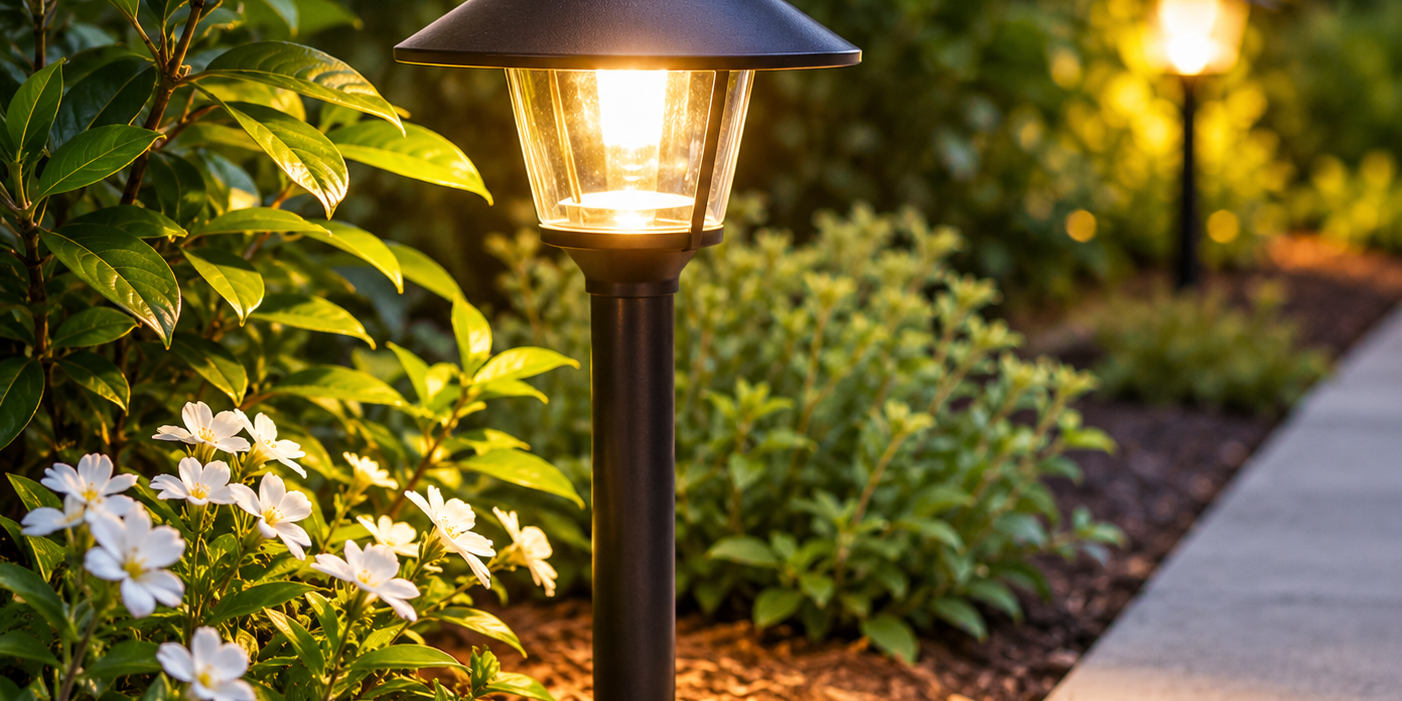
A well designed garden should look just as inviting after dark as it does during the day. With the right garden ground lights, you can transform an ordinary outdoor space into a beautiful, functional, and welcoming environment while highlighting the features that make your property unique. From illuminating pathways and driveways to accentuating trees, planting beds, and architectural details, ground lighting adds depth and character to your garden without overwhelming the surrounding landscape.
However, effective outdoor lighting involves more than simply installing lights wherever illumination is needed. The position, brightness, colour temperature, and direction of each fixture all influence the final result. A carefully planned lighting scheme can improve visibility, create a relaxing atmosphere, and help you make better use of your outdoor spaces after sunset. It can also reduce unnecessary energy consumption and minimise glare for neighbours and local wildlife.
Whether you are planning a new garden, upgrading an existing landscape, or looking for ways to improve your property’s nighttime appearance, understanding how garden ground lights work is an excellent starting point. Choosing the right fixtures and combining them with other forms of outdoor lighting can help you achieve a balanced design that complements your property’s architecture and landscaping.
At Halo Outdoor, we have specialised in bespoke outdoor lighting design and installation since 2008. Our experienced in house design, management, and installation team works with residential and commercial clients to bring their ideas to life, taking projects from the initial concept through to completion. In this guide, we explore the benefits of garden ground lights, practical design considerations, common lighting mistakes, and ways to create an attractive and energy efficient outdoor environment.
What Are Garden Ground Lights?
Garden ground lights are outdoor lighting fixtures installed at ground level or recessed into surfaces such as lawns, pathways, driveways, patios, and decking. They are designed to illuminate specific areas, highlight landscape features, and improve visibility after dark while maintaining a clean and unobtrusive appearance during the day.
Unlike traditional garden lights mounted on posts or walls, ground lights can be integrated into the surrounding landscape. This makes them an excellent choice for homeowners and commercial property owners who want to create a sophisticated outdoor lighting scheme without introducing bulky fixtures that distract from the overall design.
Depending on their placement and beam direction, garden ground lights can provide practical illumination for walking routes, draw attention to trees and architectural features, or create subtle pools of light that add depth and atmosphere to an outdoor space.
How Do Garden Ground Lights Work?
Garden ground lights use a light source, usually an LED, to direct illumination across a surface or towards a particular feature. Some fixtures are designed to cast light upwards, while others distribute light horizontally to illuminate nearby paths and planting areas.
The most suitable option depends on the purpose of the lighting and the location in which the fixture will be installed.
Common types of garden ground lights include:
- Recessed ground lights: Installed flush with the surrounding surface, these fixtures are ideal for pathways, patios, driveways, and other areas where a discreet finish is important.
- In ground uplights: These direct light upwards to highlight trees, ornamental grasses, shrubs, walls, and architectural details.
- Pathway ground lights: Designed to improve visibility along garden paths and walkways, these fixtures can help define routes through the landscape.
- Deck and patio ground lights: These provide subtle illumination around outdoor seating areas, terraces, steps, and entertainment spaces.
- Low level landscape lights: Positioned close to the ground, these fixtures create gentle illumination around planting beds, borders, and other garden features.
LED technology is a popular choice for garden ground lights because it offers good energy efficiency, a long operating life, and a wide range of brightness and colour temperature options. When selected carefully, LED fixtures can provide attractive illumination while helping to keep running costs under control.
Where Can You Use Garden Ground Lights?
One of the main advantages of garden ground lights is their versatility. They can be incorporated into many areas of a landscape, with each placement serving a different purpose.
Garden paths and walkways
Ground lights can help define walking routes and make changes in level easier to see. Evenly planned lighting can guide people through the garden while creating a welcoming approach to the property. The aim is to provide useful visibility without producing excessive glare.
Driveways and entrances
Recessed ground lights can add definition to driveway edges, entrances, and turning areas. When positioned appropriately, they can help drivers and pedestrians understand the layout of the space while creating an elegant arrival experience.
Trees and planting beds
In ground uplights can highlight the shape of mature trees, the texture of tree bark, and the structure of ornamental planting. Directing light towards selected features creates contrast and depth, helping the garden remain visually interesting after sunset.
Patios and outdoor entertainment areas
Ground lights can define the edges of patios, terraces, and seating areas. Combined with wall lights or other carefully positioned outdoor lighting, they can create a comfortable atmosphere for dining and entertaining without making the space feel too bright.
Steps and changes in level
Carefully positioned lights can improve visibility around steps, raised borders, and changes in ground height. Fixture placement should avoid glare and ensure that the light helps people identify the walking surface clearly.
Commercial landscapes
For offices, hospitality venues, retail developments, and other commercial properties, ground lights can highlight architectural features, define pedestrian routes, and create a professional appearance after dark. The design should balance visual impact with practical requirements, accessibility, and the needs of the people using the space.
Choosing the Right Garden Ground Lights for Your Space
Selecting suitable garden ground lights involves more than choosing a fixture based on its appearance. The surrounding surface, expected foot traffic, exposure to water, and intended lighting effect should all influence your decision.
Before choosing your fixtures, consider the following:
- Installation location: Determine whether the light will be installed in soil, grass, paving, decking, or a driveway.
- Durability: Select fixtures designed for outdoor conditions and suitable for their intended location, including exposure to moisture and potential physical impact.
- Drainage: Recessed fixtures need an appropriate installation detail to manage water and prevent drainage problems.
- Brightness and beam angle: Choose an output and beam spread that suit the feature or area being illuminated.
- Colour temperature: Warm white light often creates a relaxed garden atmosphere, while other colour temperatures may suit particular architectural or commercial settings.
- Maintenance access: Consider how easily fixtures can be inspected, cleaned, or replaced in the future.
It is also important to distinguish between lights designed for decorative accents and those intended to support everyday movement. A small uplight that looks attractive beneath a tree may not provide sufficient illumination for a frequently used pathway.
For the best results, garden ground lights should form part of a coordinated outdoor lighting plan rather than being installed as isolated features. By considering how each fixture interacts with the surrounding landscape, you can create a design that feels cohesive, practical, and visually appealing.
The Benefits of Garden Ground Lights
Garden ground lights offer more than an attractive finishing touch. When thoughtfully designed and positioned, they can improve visibility, highlight landscaping, create atmosphere, and help outdoor spaces feel more connected to the architecture of a property. From a private garden to a commercial entrance, the right lighting scheme can make an outdoor environment more functional and inviting after sunset.
Understanding the benefits of garden ground lights can help you decide where lighting will have the greatest impact and how to achieve a result that suits your property’s design.
Improve Safety and Visibility
One of the most practical benefits of garden ground lights is their ability to improve visibility around outdoor areas after dark. Unlit pathways, steps, and changes in ground level can be difficult to identify, particularly when people are unfamiliar with the layout of a garden.
Carefully positioned ground lights can help illuminate these areas, making it easier for residents, guests, and visitors to move around the property.
Consider using garden ground lights to illuminate:
- Garden paths and walkways that connect different areas of the property.
- Steps, ramps, and changes in ground level.
- Driveway edges and pedestrian access routes.
- Entrances and approaches to the front door.
- Patios and outdoor seating areas used after sunset.
The aim is to provide sufficient illumination for people to see where they are walking without creating harsh glare. Lights should be positioned so that their output supports visibility rather than shining directly into people’s eyes.
For areas where safe movement is particularly important, ground lights can be combined with wall mounted fixtures or other forms of outdoor lighting to provide more consistent illumination.
Highlight Garden Features and Architecture
A garden can contain beautiful features that become difficult to appreciate once natural light fades. Garden ground lights help bring these elements to life by introducing contrast, shadows, and depth into the landscape.
Rather than illuminating every part of the garden equally, a well planned scheme focuses attention on selected features. This creates a more interesting visual experience and allows the garden to reveal different details after dark.
For example, in ground uplights can be used to highlight the trunk and canopy of a mature tree, creating a striking silhouette against the night sky. Lights positioned near ornamental grasses can emphasise their textures, while carefully directed beams can reveal the surface of stone walls and other architectural materials.
Ground lights can also help define the boundaries of a garden, draw attention to a water feature, or create a visual connection between the house and the surrounding landscape.
The key is to use light selectively. Leaving some areas darker can make illuminated features stand out more effectively, resulting in a balanced and sophisticated appearance.
Create a Welcoming Outdoor Atmosphere
Lighting has a significant influence on how an outdoor space feels. Bright, evenly distributed illumination may be useful in certain functional areas, but it can sometimes make a garden feel flat or overly exposed. Garden ground lights offer an opportunity to introduce softer, more considered lighting effects.
Warm white light is often a suitable choice for residential gardens because it can create a comfortable and inviting atmosphere. When combined with subtle accent lighting, it helps establish a sense of depth without overwhelming the surrounding environment.
For patios and outdoor entertainment areas, ground lights can define the edges of a seating space and create a gentle glow around nearby planting. Additional wall lights or discreet accent fixtures can provide further illumination where needed.
For larger gardens, different lighting scenes can be used to suit different occasions. A relaxed setting for an evening outdoors may require only a few illuminated trees and pathway lights, while a gathering with guests may benefit from additional lighting around entrances and seating areas.
A carefully considered lighting scheme allows outdoor spaces to remain useful and enjoyable long after sunset.
Enhance Your Property’s Overall Appeal
Garden ground lights can contribute to the overall appearance of a property by creating a considered relationship between the building, landscape, and surrounding environment.
During the day, discreet recessed fixtures can blend into paving, decking, or other surfaces. At night, they introduce carefully positioned illumination that reveals the garden’s structure and highlights its most attractive features.
For residential properties, this can create an appealing entrance, emphasise architectural details, and make outdoor entertaining areas feel like a natural extension of the home.
For commercial properties, thoughtfully designed outdoor lighting can help establish a professional first impression. Illuminated pathways, entrances, landscaping, and architectural features can make an office, hospitality venue, or other development feel more welcoming to visitors.
However, achieving these results depends on the quality of the overall design. The number of lights, their spacing, beam direction, and brightness all influence the final effect. More fixtures do not necessarily produce a better result. In many cases, a smaller number of well positioned lights can create a more elegant appearance.
Improve Energy Efficiency with LED Technology
Energy efficiency is another important consideration when planning garden ground lights. Outdoor lighting may operate for several hours each evening, so choosing efficient fixtures and suitable controls can help reduce electricity consumption.
LED garden ground lights are widely used because they generally consume less electricity than comparable traditional lighting technologies and have a long operating life. They are available in different outputs and beam angles, making them suitable for both subtle accent lighting and practical applications.
You can further improve efficiency by:
- Selecting a suitable brightness for each lighting purpose.
- Using timers to switch lights off when they are no longer required.
- Installing motion sensors in appropriate access areas.
- Dividing the garden into lighting zones so that only necessary fixtures operate.
- Using smart controls to adjust schedules and lighting levels.
- Avoiding unnecessary illumination of areas that do not need to be lit.
It is also worth considering the environmental effects of outdoor lighting. Directing light towards the intended feature, minimising upward light, and switching off unnecessary fixtures can help reduce light pollution and limit disturbance to wildlife.
Increase the Practical Use of Your Outdoor Space
A well designed garden does not have to become unusable when daylight disappears. Garden ground lights can help people navigate and enjoy outdoor areas during the evening, extending the time available for relaxing, dining, entertaining, and spending time with family or guests.
For example, discreet lights along a path can connect the house to a garden seating area, while accent lighting can make nearby trees and planting visible from an outdoor dining space. Around a commercial property, suitable ground lighting can help clarify access routes and improve the experience of visitors arriving after dark.
The most effective approach is to design lighting around the way people actually use the space. A garden used mainly for relaxation may benefit from subtle, low level illumination, while a property with frequently used access routes may require a greater emphasis on practical visibility.
At Halo Outdoor, we believe outdoor lighting should complement the landscape while serving a clear purpose. Since 2008, our focus has been on creating bespoke lighting systems that balance appearance, functionality, and the needs of each property. By considering these factors from the beginning, garden ground lights can become an integral part of an outdoor environment rather than simply another decorative feature.
How to Design an Effective Garden Ground Lighting Scheme
Creating an effective garden lighting scheme involves more than choosing attractive fixtures and placing them around the landscape. The best results come from understanding how the outdoor space is used, identifying the features worth highlighting, and selecting lighting that balances beauty, safety, and functionality.
Garden ground lights can provide subtle illumination along pathways, draw attention to trees and architectural details, and create a welcoming atmosphere around patios and entrances. However, their effectiveness depends on careful planning, suitable fixture selection, and thoughtful positioning.
Whether you are upgrading an existing garden or designing a lighting system for a new property, the following considerations can help you create a cohesive and practical outdoor lighting scheme.
Plan Your Lighting Around How You Use the Space
Before selecting garden ground lights, consider how people move through and use your outdoor environment. Different areas have different requirements, so identifying their primary purpose will help you determine where lighting is needed and what type of illumination will work best.
Start by dividing the garden into functional zones, such as:
- Access routes: Paths, driveways, steps, and entrances where visibility is important.
- Relaxation areas: Patios, terraces, and seating areas where comfortable, understated lighting is preferable.
- Landscape features: Trees, planting beds, sculptures, and water features that could benefit from accent lighting.
- Entertainment spaces: Outdoor dining areas and gathering spaces that may require flexible lighting arrangements.
- Commercial areas: Building entrances, pedestrian routes, landscaped grounds, and other spaces that need to remain welcoming and practical after dark.
Once these areas have been identified, decide which ones need functional illumination and which would benefit from decorative lighting.
For example, a frequently used garden path may need consistent illumination to help people navigate safely, while a mature tree at the back of the garden may only require a discreet uplight to create visual interest.
Planning around the way a garden is used helps prevent unnecessary installations and ensures that every fixture has a clear purpose.
Layer Different Types of Outdoor Lighting
One of the most effective principles in outdoor lighting design is layering. Rather than relying on a single type of fixture, combine different lighting techniques to create depth, balance, and flexibility.
Three common lighting layers are ambient, task, and accent lighting.
Ambient lighting
Ambient lighting provides general illumination across an area. In a garden, this might come from wall mounted fixtures, carefully positioned low level lights, or other fittings that establish an overall sense of visibility.
Task lighting
Task lighting supports specific activities. Examples include illumination around outdoor cooking areas, steps, entrances, and frequently used pathways. The goal is to provide enough light for the intended activity without creating unnecessary brightness.
Accent lighting
Accent lighting draws attention to selected features, such as trees, textured walls, planting, or sculptures. Garden ground lights are particularly useful for this purpose because some fixtures can be recessed into the ground and direct light upwards towards the feature.
Combining these layers creates a more balanced result than illuminating every part of the garden equally.
For example, a residential garden might use discreet ground lights along a pathway, functional lighting near the entrance, and a small number of uplights beneath mature trees. Each layer serves a different purpose while contributing to a coordinated design.
Choose the Right Colour Temperature and Brightness
The colour temperature and brightness of your garden ground lights can significantly influence the overall appearance of your outdoor space.
Colour temperature is measured in kelvins (K). Lower values generally produce warmer, more yellowish light, while higher values create a cooler, whiter appearance.
For many residential gardens, warm white lighting can complement natural materials such as timber, stone, brick, and foliage. Cooler white lighting may be appropriate for some contemporary architectural settings or specific functional applications, but it should be selected carefully to avoid making a garden feel harsh or overly clinical.
When choosing brightness, consider the purpose of each fixture.
- Pathways: Use appropriate, evenly distributed illumination that makes the walking surface easy to identify.
- Trees and planting: Select a beam strength that highlights the feature without washing out surrounding details.
- Patios and seating areas: Aim for comfortable lighting that supports conversation and relaxation.
- Entrances and access points: Prioritise visibility while controlling glare for residents and visitors.
Avoid choosing every fixture at the highest available output. Excessive brightness can flatten the landscape, create distracting glare, and reduce the contrast that makes a lighting scheme visually interesting.
It is also helpful to maintain consistency in colour temperature across areas that can be seen together. Different temperatures can be combined intentionally, but an uncontrolled mixture may make the overall scheme feel disjointed.
Select Fixtures Suitable for Outdoor Conditions
Garden ground lights are exposed to environmental conditions that indoor fixtures do not experience. Rain, moisture, temperature changes, soil movement, and physical impact can all affect their performance.
Selecting fixtures suitable for their installation environment is therefore essential.
Consider the following factors before making a decision:
- Ingress protection rating: Check the fixture’s IP rating and confirm that it is suitable for the expected exposure to dust and water.
- Load rating: For lights installed in driveways or areas where vehicles may pass over them, ensure that the fixtures are specifically rated for the expected loads.
- Drainage: Recessed ground lights require appropriate drainage and installation details to prevent water from accumulating around the fixture.
- Construction materials: Choose durable materials and finishes suited to the local environment and the intended application.
- Maintenance access: Consider how fixtures can be inspected, cleaned, or replaced without unnecessarily disturbing paving or planting.
- Electrical safety: Ensure that wiring, connections, transformers, and power supplies are suitable for outdoor use and installed in accordance with applicable regulations.
The appearance of a fixture is important, but its suitability for the location is equally significant. A fitting designed for a sheltered patio may not be appropriate for a driveway exposed to vehicle traffic or a ground recess that experiences standing water.
For complex installations, professional advice can help identify suitable products and avoid costly installation problems.
Consider Controls, Timers, and Smart Lighting
Lighting controls allow you to adapt your garden ground lights to different times of day and different activities. They can also help reduce unnecessary electricity consumption and limit unwanted light after dark.
Several control options are worth considering.
Timers
Timers allow selected lights to operate during scheduled hours. For example, pathway lights could switch on in the evening and turn off later at night when the garden is no longer in use.
Photocells
Photocells respond to changing natural light levels, switching lights on as darkness falls and off when daylight returns. They can be useful for outdoor lighting that needs to operate automatically without frequent manual adjustment.
Motion sensors
Motion activated lighting can be appropriate around entrances, side paths, and access routes where illumination is only needed when someone approaches. Sensor sensitivity and timing should be adjusted to minimise unnecessary activation.
Dimmers and smart controls
Compatible dimmers and smart lighting systems can allow brightness and schedules to be adjusted to suit different situations. A lower setting may be sufficient for a quiet evening, while greater illumination may be useful when entertaining guests.
Not every ground light supports dimming or every type of control, so compatibility should be checked before installation.
A well planned control system can make a garden lighting scheme more convenient and efficient without compromising its appearance.
Design for Glare Control and the Surrounding Environment
A beautiful lighting scheme should enhance the garden without creating discomfort for people nearby. Glare can occur when a light source is visible directly or when a beam is directed towards an inappropriate surface or viewing angle.
When planning garden ground lights, consider where people will stand, walk, sit, and look. A fixture that appears discreet from one viewpoint may shine directly into someone’s eyes from a nearby patio or window.
To minimise glare:
- Position fixtures so that their beams illuminate the intended surface or feature.
- Use appropriate shields, louvers, or glare control accessories where available.
- Avoid directing strong beams towards neighbouring properties or bedroom windows.
- Use only as much brightness as the application requires.
- Limit unnecessary upward light and avoid illuminating large areas without a clear purpose.
Wildlife should also be considered. Excessive artificial light can disrupt the behaviour of nocturnal animals and insects. Limiting the duration of illumination, directing light carefully, and avoiding unnecessary brightness can help reduce these effects.
Thoughtful lighting design takes the wider environment into account, creating a garden that looks attractive while remaining considerate of neighbours and wildlife.
Create a Lighting Plan Before Installation
Once you have identified your lighting requirements, the next step is to develop a clear plan. This helps coordinate fixture positions, electrical requirements, control arrangements, and the overall visual effect before installation begins.
A practical lighting plan should identify:
- The main areas and features to be illuminated.
- The type and intended purpose of each fixture.
- Approximate fixture positions and beam directions.
- Suitable brightness levels and colour temperatures.
- Power supplies, cabling routes, and control requirements.
- Drainage, access, and maintenance considerations.
- How the lighting will look from inside the property and from neighbouring spaces.
It is useful to review the plan after dark, or to use a suitable lighting demonstration, because the appearance of a garden at night can differ considerably from what is expected during daylight.
Professional lighting services can be especially valuable when a project involves extensive landscaping, multiple lighting zones, recessed fixtures, complex electrical requirements, or a combination of residential and commercial spaces.
At Halo Outdoor, our in house design, management, and installation team works with clients to develop outdoor lighting systems from concept through to completion. Since 2008, we have focused on creating bespoke solutions that combine thoughtful design with practical performance.
With careful planning, garden ground lights can become an integral part of a wider outdoor lighting scheme, enhancing the landscape, supporting safe movement, and creating a welcoming atmosphere long after sunset.
What Is the 3 Lighting Rule?
The three lighting rule is a design principle that involves combining three different layers of light to create a balanced, practical, and visually appealing environment. In landscape design, these layers are commonly known as ambient lighting, task lighting, and accent lighting. Each serves a different purpose, and together they help create an outdoor space that feels welcoming, functional, and carefully designed.
When planning garden ground lights, understanding these three layers can help you decide where illumination is needed, which garden features deserve attention, and how to avoid making your outdoor space look too bright or uneven.
Rather than relying on one type of fixture to illuminate the entire garden, the aim is to combine different lighting effects to create depth, contrast, and a natural sense of balance.
1. Ambient Lighting: Establish the Overall Atmosphere
Ambient lighting provides general illumination across an outdoor area. It establishes the overall brightness of the space and helps people understand their surroundings after dark.
In a garden, ambient lighting might come from wall mounted fixtures, discreet bollard lights, or carefully positioned low level lights. The objective is not necessarily to illuminate every corner but to provide a comfortable level of general visibility.
Garden ground lights can contribute to ambient lighting when they are arranged to illuminate a wider surface or define the boundaries of a frequently used area.
For example, a patio connected to the house may benefit from a combination of subtle ground lighting and wall lights. This can help the space feel connected to the property while maintaining a relaxed atmosphere for evening dining or entertaining.
When choosing ambient lighting, consider the size of the space, the surrounding architecture, and how the garden will be used. Excessive brightness can make an outdoor area feel harsh, so a restrained approach is often more effective.
2. Task Lighting: Improve Visibility Where It Matters
Task lighting provides illumination for specific activities or areas where clear visibility is important. In an outdoor environment, this includes entrances, steps, cooking areas, and frequently used pathways.
The purpose is to make these areas easier and safer to use without creating unnecessary glare or illuminating more of the garden than required.
Examples of outdoor task lighting include:
- Ground lights positioned to help define garden paths and walkways.
- Suitable fixtures around steps and changes in ground level.
- Lighting near entrances and access routes.
- Focused illumination around outdoor kitchens and food preparation areas.
- Practical lighting near gates, side passages, and utility areas.
For example, if your garden includes a series of steps leading from a patio to a lower lawn, appropriately positioned lighting can help make each step easier to identify after dark.
However, the position and output of each fixture matter. A bright light aimed directly towards approaching pedestrians can be uncomfortable and may reduce visibility rather than improve it.
Task lighting should therefore be designed around the activity taking place, with careful attention to beam direction, brightness, and the surrounding surfaces.
3. Accent Lighting: Highlight Your Garden’s Best Features
Accent lighting adds visual interest by drawing attention to selected features within the landscape. It creates contrast between illuminated and darker areas, helping the garden appear more dimensional after sunset.
Garden ground lights are particularly useful for accent lighting because in ground uplights can be installed near trees, shrubs, architectural walls, and ornamental planting.
Popular applications include:
- Highlighting the trunk and canopy of a mature tree.
- Emphasising the textures of stone walls or brickwork.
- Illuminating ornamental grasses and planting beds.
- Drawing attention to sculptures, water features, and other focal points.
- Creating a subtle visual connection between the garden and the building.
For example, placing an uplight near the base of a mature tree can reveal its structure and create an attractive silhouette against the night sky. A second light directed towards a textured wall can add another layer of visual interest without making the entire garden excessively bright.
The most effective accent lighting is selective. Illuminating every tree, plant, and architectural detail can make the garden appear cluttered and reduce the impact of individual features.
Instead, choose a few focal points and use light to guide the eye naturally through the space.
How to Combine the Three Lighting Layers in Your Garden
The real benefit of the three lighting rule comes from combining ambient, task, and accent lighting into one coordinated design.
Consider a residential garden with a patio, a pathway, and several mature trees.
The ambient layer could consist of subtle lighting around the patio to establish a comfortable atmosphere. The task layer could use carefully positioned fixtures to improve visibility along the pathway and around steps. The accent layer could include in ground uplights beneath selected trees to add depth and visual interest.
Each layer serves a distinct purpose, but together they create a cohesive outdoor lighting scheme.
When combining these layers, keep the following principles in mind:
- Establish priorities: Identify the areas that require practical illumination before deciding which features to highlight.
- Balance brightness: Avoid allowing one fixture to dominate the entire garden unless it serves a specific functional purpose.
- Create contrast: Leave some areas softly illuminated or naturally dark so that focal points stand out.
- Maintain consistency: Choose complementary colour temperatures and fixture styles where possible.
- Control glare: Direct light towards the intended surface and avoid shining it into people’s eyes or neighbouring windows.
- Use lighting controls: Timers, dimmers, and compatible smart systems can help adjust the lighting to suit different occasions.
It is also worth remembering that the three lighting layers do not necessarily require three separate fixtures. A single well chosen fixture may contribute to more than one lighting effect, depending on its output, beam angle, and position.
Is the Three Lighting Rule Suitable for Every Garden?
The three lighting rule is a useful starting point, but it is not a rigid formula that every garden must follow in exactly the same way.
A small courtyard, for example, may need only a few carefully selected fixtures to provide general illumination, highlight a planting feature, and improve visibility near the entrance. A large landscaped garden may benefit from several lighting zones, with different combinations of ambient, task, and accent lighting throughout the property.
Commercial landscapes may require additional consideration for pedestrian circulation, accessibility, operating hours, and the specific needs of visitors or staff.
The most appropriate arrangement depends on the property’s layout, the intended use of each area, and the effect you want to achieve.
At Halo Outdoor, we believe effective outdoor lighting starts with understanding the space and the people who use it. Since 2008, our team has helped residential and commercial clients develop bespoke lighting schemes that combine practical illumination with carefully considered design.
By applying the three lighting rule thoughtfully, you can use garden ground lights and other outdoor lighting fixtures to create a space that is attractive, functional, and welcoming after dark.
What Are Common Outdoor Lighting Mistakes?
Outdoor lighting can transform a garden, highlight architectural features, and make pathways and entrances easier to navigate after dark. However, even high quality fixtures can produce disappointing results when they are poorly positioned, excessively bright, or unsuitable for the surrounding environment.
When planning garden ground lights, it is important to consider how each fixture contributes to the overall design. A successful lighting scheme should balance appearance, visibility, energy efficiency, and consideration for neighbours and wildlife.
Understanding common outdoor lighting mistakes can help you avoid unnecessary costs and create a more cohesive, attractive garden.
1. Installing Too Many Lights
One of the most common outdoor lighting mistakes is assuming that more fixtures will produce a better result. In reality, installing too many garden ground lights can make a landscape look cluttered and overly bright.
When every tree, pathway, planting bed, and architectural feature is illuminated, the garden can lose its natural depth. Instead of creating visual interest, excessive lighting can make individual features compete for attention.
A more effective approach is to identify the most important areas and use lighting selectively.
For example, you could illuminate a main pathway, highlight a mature tree, and add subtle lighting around a patio. Leaving other parts of the garden darker creates contrast and allows the illuminated features to stand out.
Before adding more fixtures, ask yourself whether the additional light serves a practical purpose or genuinely improves the design.
2. Choosing Lights That Are Too Bright
Brightness is another important consideration when selecting garden ground lights. Fixtures that produce too much light can create glare, wash out landscape details, and make outdoor spaces feel uncomfortable.
Excessive brightness may also disturb neighbours, particularly when lights shine towards bedroom windows, patios, or adjoining gardens.
To avoid this mistake:
- Choose a suitable light output for the size and purpose of the area.
- Use lower brightness levels for decorative features where intense illumination is unnecessary.
- Select appropriate beam angles to direct light towards the intended surface.
- Consider dimmable fixtures when adjustable lighting would be useful.
- Review the overall effect after dark before finalising the installation.
The aim is to provide enough light to achieve the desired effect without overwhelming the surrounding environment.
3. Ignoring Glare and Light Direction
A garden light may look attractive when viewed from one position but create uncomfortable glare from another. This is particularly relevant for recessed ground lights and in ground uplights, which can expose the light source to people walking nearby or sitting on a patio.
Poorly directed beams can also shine into neighbouring properties or illuminate areas where light is not needed.
To reduce glare, consider where people will walk, sit, and look when the lights are operating. Position fixtures carefully, use suitable shielding where available, and avoid directing beams towards windows or neighbouring outdoor spaces.
For uplighting trees and architectural features, the beam should highlight the intended surface rather than spill unnecessarily into the sky.
Good glare control improves visual comfort and helps create a more refined outdoor lighting scheme.
4. Using Inconsistent Colour Temperatures
Colour temperature affects how your garden looks after dark. Warm white light often creates a welcoming atmosphere, while cooler white light can produce a more contemporary appearance.
Problems arise when different fixtures have noticeably different colour temperatures without a clear design reason. A warm pathway light next to a stark, cool white uplight may make the garden feel visually disconnected.
This does not mean every fixture must use exactly the same colour temperature. Different effects can work well together when they are chosen deliberately.
For a cohesive result, consider the colours of the building materials, paving, planting, and other surfaces. Select complementary light sources and review how they appear together at night.
Consistency is particularly important when several fixtures illuminate the same area or can be seen simultaneously from inside the property.
5. Choosing Unsuitable Garden Ground Lights
Not every outdoor fixture is designed for every installation location. A light suitable for a sheltered patio may not withstand the conditions experienced in a driveway, lawn, or recessed paved surface.
Choosing an unsuitable fixture can lead to water ingress, premature failure, damage from physical impact, or difficult maintenance.
Before purchasing garden ground lights, consider:
- Weather exposure: Check the manufacturer’s specified IP rating and confirm that it suits the installation conditions.
- Vehicle traffic: Use fixtures specifically rated for the expected load when installing them in driveways or other areas where vehicles may pass.
- Drainage: Ensure recessed fittings have an appropriate drainage arrangement for the surrounding ground and soil conditions.
- Material quality: Select durable materials and finishes appropriate for the local environment.
- Maintenance: Make sure the fixtures can be accessed for inspection, cleaning, and replacement.
The installation method is just as important as the fixture itself. Correct preparation, drainage, wiring, and sealing can all affect long term performance.
6. Failing to Plan the Lighting Layout
Installing garden ground lights without a clear plan can lead to uneven illumination, unnecessary fixtures, and expensive changes later.
For example, lights may be placed too far apart along a path, positioned where planting will eventually conceal them, or installed where their beams shine directly towards seating areas.
A lighting plan helps identify the purpose and location of each fixture before installation begins.
Start by marking the main pathways, entrances, architectural features, and areas used for entertaining. Decide which features need practical illumination and which would benefit from accent lighting.
It is also important to consider how the garden will develop over time. Trees and shrubs grow, planting beds change, and outdoor furniture may be rearranged. Allowing for these changes can help maintain the effectiveness of the lighting scheme.
For larger or more complex properties, professional lighting design can help coordinate fixture positions, beam angles, electrical requirements, and control systems.
7. Overlooking Energy Efficiency
Leaving every outdoor light switched on for long periods can increase electricity consumption, particularly when inefficient fixtures or unnecessarily high outputs are used.
Although modern LED garden ground lights are generally energy efficient, the total running cost still depends on the number of fixtures, their wattage, and how many hours they operate.
You can reduce unnecessary energy use by:
- Choosing efficient LED fixtures.
- Selecting suitable brightness levels rather than using excessive output.
- Installing timers or photocells where appropriate.
- Using motion sensors in suitable access areas.
- Dividing your garden into lighting zones.
- Switching off decorative lighting when it is no longer needed.
These measures can help control running costs while maintaining the appearance and functionality of your garden.
8. Leaving Outdoor Lights On Unnecessarily
Not every garden light needs to operate throughout the night. Leaving decorative lights running until morning may consume electricity without providing a meaningful benefit, particularly in areas that are rarely used after a certain time.
Continuous lighting can also contribute to light pollution and disturb wildlife, depending on the brightness, direction, and location of the fixtures.
A better solution is to match operating hours to the purpose of each light.
For example, pathway lights could operate during the evening and switch off later at night. Motion activated lighting may be appropriate for some entrances or side paths, while subtle accent lighting could be scheduled for a limited period.
The right arrangement depends on the property’s security needs, access requirements, and how the outdoor space is used.
9. Ignoring Neighbours and Wildlife
Outdoor lighting affects more than the property where it is installed. Bright or poorly directed fixtures can spill into neighbouring homes, while unnecessary illumination may interfere with the behaviour of nocturnal wildlife.
This is particularly important when installing powerful uplights, security lights, or fixtures close to property boundaries.
To create a more considerate scheme:
- Direct light towards the intended feature or walking surface.
- Avoid shining beams into neighbouring windows.
- Use shields or glare control accessories where suitable.
- Limit brightness to the level required for the application.
- Switch off or dim lights when they are no longer needed.
- Avoid illuminating trees, hedges, and other habitats throughout the night without a clear reason.
A well designed garden can still look beautiful with relatively modest illumination. Thoughtful placement and control often produce a better result than simply increasing brightness.
10. Treating Garden Ground Lights as a Standalone Feature
Garden ground lights are versatile, but they rarely need to perform every lighting function on their own. Relying exclusively on recessed ground fixtures may leave some areas poorly illuminated or create awkward shadows.
A more balanced outdoor lighting scheme combines suitable fixture types according to their purpose.
For example, ground lights can define a pathway and highlight planting, while wall lights illuminate an entrance and other fixtures provide appropriate illumination around outdoor cooking or seating areas.
This layered approach allows each fixture to perform a specific role while contributing to a coordinated design.
It is also worth considering how the garden looks from inside the property. Thoughtfully illuminated trees, architectural details, and selected landscape features can create attractive views through windows after dark.
How Professional Lighting Services Can Help Avoid These Mistakes
Avoiding common outdoor lighting mistakes starts with careful planning and a clear understanding of the property. Fixture selection, beam direction, brightness, installation conditions, and control systems all influence the final result.
Professional lighting services can help you develop a scheme that considers these factors together, rather than treating each fixture as a separate purchase.
At Halo Outdoor, established in 2008, our in house design, management, and installation team works with residential and commercial clients to develop outdoor lighting systems from concept through to completion. By considering the architecture, landscape, practical requirements, and desired atmosphere, we aim to create lighting schemes that are both visually appealing and functional.
The key is to remember that effective outdoor lighting is not about illuminating everything. It is about putting the right light in the right place, using an appropriate level of brightness, and ensuring that every fixture contributes to the overall design.
My Neighbours’ Outside Lights Are Too Bright. What Can I Do?
Outdoor lighting can improve safety, highlight landscaping, and make a property more welcoming after dark. However, when outside lights are excessively bright or poorly positioned, they can become a source of frustration for neighbouring households. Light shining directly into bedroom windows, illuminating a garden unnecessarily, or creating glare across a property boundary can affect comfort and enjoyment of outdoor spaces.
This problem is sometimes called light trespass, which occurs when unwanted light spills beyond the area it is intended to illuminate.
Whether the issue involves a powerful security light, garden ground lights aimed in the wrong direction, or decorative outdoor lighting that remains on throughout the night, there are practical ways to address it without creating unnecessary tension with your neighbours.
1. Speak to Your Neighbour Politely
In many cases, the simplest first step is to speak directly with your neighbour. They may not realise that their outside lights are causing a problem, particularly if the affected windows or garden areas are not visible from their property.
Approach the conversation calmly and explain how the light affects your home. For example, you could mention that a security light shines into your bedroom at night or that a bright garden fixture makes it difficult to enjoy your patio.
It can help to suggest a practical solution rather than simply asking them to switch the lights off.
Possible adjustments include:
- Repositioning the light so that it illuminates their own property rather than yours.
- Angling the fixture downwards to reduce unwanted light spill.
- Installing a shield or glare control accessory.
- Replacing an excessively bright lamp with a lower output option.
- Adjusting a timer or motion sensor so that the light operates only when needed.
A friendly conversation can often resolve the issue quickly, particularly when the problem can be corrected with a small adjustment.
2. Identify Where the Unwanted Light Is Coming From
Before suggesting a solution, try to identify the source of the problem. Different types of outdoor lighting require different adjustments.
For example, a bright security light may be triggered by passing traffic or movement outside the property. A decorative uplight may direct its beam towards your windows, while several garden ground lights may collectively create excessive illumination along a shared boundary.
Pay attention to the following details:
- Direction: Is the light pointing towards your windows, garden, or driveway?
- Brightness: Is the fixture much brighter than necessary for its purpose?
- Operating hours: Does the light remain on all night or switch on repeatedly?
- Movement sensitivity: Is a motion sensor activating when it is not needed?
- Light distribution: Is the beam focused on a specific feature, or is light spreading across a wide area?
Understanding the source can help you suggest a targeted solution rather than asking your neighbour to remove lighting that may serve a useful purpose.
3. Recommend Better Positioning and Glare Control
One of the most effective ways to reduce unwanted light is to direct it towards the area where it is needed.
Outdoor fixtures should generally illuminate their intended target rather than shining horizontally across a property boundary or directly into people’s eyes. Adjusting the angle of a fixture can sometimes make a significant difference without reducing useful illumination.
Depending on the fitting, possible improvements include:
- Angling the light downwards towards a path, entrance, or garden feature.
- Installing a suitable shield, hood, or louvre to limit the direction of the beam.
- Moving the fixture farther from the property boundary.
- Choosing a narrower beam angle where appropriate.
- Replacing an exposed light source with a fitting designed to minimise glare.
For garden ground lights, careful positioning is particularly important when fixtures are used to illuminate trees, walls, or planting. The beam should highlight the intended feature without spilling unnecessarily into neighbouring gardens or the night sky.
These principles also apply to your own outdoor lighting. If you are planning a new garden lighting scheme, considering neighbouring properties from the outset can help prevent future complaints.
4. Suggest Timers and Motion Sensors
Sometimes the problem is not simply the brightness of a light but how long it stays on.
A security light that operates continuously may be unnecessary if illumination is only needed when someone approaches an entrance. Similarly, decorative garden ground lights may not need to remain switched on until sunrise.
Timers, photocells, and motion sensors can help control when outdoor lights operate.
Timers allow lights to switch off automatically at a chosen time. This is useful for decorative lighting and areas that are mainly used during the evening.
Photocells respond to changing natural light levels, allowing fixtures to switch on as darkness falls and off when daylight returns. They are useful for automatic operation, although additional scheduling may be needed to prevent lights remaining on all night.
Motion sensors activate compatible lights when movement is detected. They can be useful for entrances, driveways, and side paths, particularly when combined with suitable sensitivity settings and a reasonable operating duration.
These controls can preserve the practical benefits of outdoor lighting while reducing unnecessary illumination and electricity consumption.
5. Choose Lower Brightness Without Sacrificing Safety
Reducing brightness does not necessarily mean making a property less safe. In many situations, a carefully positioned, moderately bright light can provide better visibility than a powerful fixture that causes glare.
Excessive brightness can make it harder for the eyes to adjust to darker surroundings, particularly when a light source is directly visible. It can also create harsh contrasts between illuminated and unlit areas.
When choosing or adjusting outdoor lighting, consider the actual purpose of the fixture.
For example, a light intended to illuminate a small entrance may not need the same output as one serving a larger access area. Decorative garden ground lights may require only modest illumination to highlight planting or define a pathway.
A balanced lighting scheme should provide sufficient visibility where needed while avoiding unnecessary brightness elsewhere.
6. Check Local Rules if the Problem Continues
If a polite conversation and practical adjustments do not resolve the issue, you may wish to check whether local regulations or nuisance lighting provisions apply.
Rules vary by location, and not every instance of unwanted light will meet the relevant threshold for formal action. Depending on where you live, the appropriate next step may involve a local council, environmental health department, homeowners’ association, property manager, or another relevant authority.
Before making a complaint, it can be useful to record:
- When the lights operate and how long they remain on.
- Which areas of your property are affected.
- Whether the light enters bedrooms or other frequently used rooms.
- Any steps already taken to resolve the problem informally.
Avoid assuming that a particular light is unlawful without checking the rules that apply to your location. If the situation involves a significant or persistent disturbance, the relevant local authority can explain the available options.
How Thoughtful Outdoor Lighting Can Prevent Neighbour Disputes
Many problems with excessive outdoor lighting can be avoided through good design. The position of each fixture, its beam angle, brightness, operating hours, and relationship to neighbouring properties should all be considered when planning a garden lighting scheme.
At Halo Outdoor, we believe that effective outdoor lighting should enhance a property without creating unnecessary glare or disturbing the surrounding environment. Established in 2008, our team provides bespoke design and installation solutions for residential and commercial properties, taking projects from initial concept through to completion.
When planning garden ground lights or a wider outdoor lighting system, it is worth considering not only how the garden will look from your own property, but also how the lighting may affect neighbouring homes and outdoor spaces.
The best lighting schemes combine practical visibility with carefully controlled illumination. By directing light where it is needed, choosing appropriate brightness levels, and using timers or other controls where suitable, it is possible to create an attractive garden that remains considerate of the people living nearby.
Should Landscape Lights Stay On All Night?
Landscape lighting can make a garden look beautiful after dark, improve visibility around pathways, and create a welcoming atmosphere around your property. However, leaving every outdoor light switched on throughout the night is not always necessary or beneficial.
Whether landscape lights should stay on all night depends on their purpose, location, brightness, and the needs of the people using the property. While some lights may need to remain operational for safety or access, others can be switched off or dimmed once the garden is no longer in use.
For most residential gardens, a carefully planned lighting schedule offers a practical balance between appearance, convenience, energy efficiency, and consideration for the surrounding environment.
When Should You Leave Landscape Lights On?
There are situations where leaving certain outdoor lights on overnight may be appropriate. The key is to identify which areas genuinely need continuous illumination and select fixtures that provide suitable visibility without producing excessive brightness.
Entrances and access routes
Some properties benefit from lighting around frequently used entrances, steps, or access routes. If people regularly arrive or leave during the night, suitable illumination can help them navigate the area more comfortably.
However, continuous lighting is not always necessary. Timers, motion sensors, and other controls may provide a suitable alternative, depending on the layout and intended use of the space.
Commercial properties
Commercial premises may require outdoor lighting to support access, operations, or security outside normal business hours. The appropriate arrangement depends on the property, the activities taking place, and any applicable safety requirements.
A commercial lighting scheme should provide the illumination needed for its intended purpose while avoiding unnecessary light spill into neighbouring properties.
Specific security requirements
Some properties may benefit from selected lights remaining on overnight, particularly where continuous illumination serves a defined security or operational purpose. However, brighter lighting does not automatically mean better security.
A combination of appropriate lighting, well positioned fixtures, and suitable controls may be more effective than leaving every garden light switched on.
When Should You Switch Landscape Lights Off?
Many decorative landscape lights do not need to operate throughout the night. If your garden is mainly used during the evening, switching off selected fixtures before bedtime can reduce electricity consumption and limit unnecessary illumination.
Consider switching off or reducing the output of lights that illuminate:
- Decorative planting beds that are no longer being viewed.
- Trees and ornamental features that do not require overnight illumination.
- Patios and outdoor seating areas that are not in use.
- Garden features that create unnecessary light spill into neighbouring properties.
- Areas where continuous lighting offers little practical benefit.
Garden ground lights can still create a striking effect when used for a few hours each evening. A carefully positioned uplight beneath a tree or a subtle row of recessed lights along a pathway can provide plenty of visual interest without remaining on until morning.
Switching lights off when they are not needed can also help preserve the natural darkness that many nocturnal animals depend on.
Can Timers and Smart Controls Help?
Timers and smart lighting controls are useful ways to manage outdoor lighting automatically. Rather than remembering to switch individual fixtures on and off, you can establish a schedule that reflects how the garden is used.
Several options are available.
Timers
Timers allow selected lights to operate during specific hours. For example, garden ground lights could switch on in the early evening and turn off at a chosen time before bedtime.
Photocells
Photocells detect changes in natural light and automatically switch compatible fixtures on when it gets dark and off when daylight returns. They are useful for automatic operation, although they do not necessarily limit how long lights remain on overnight.
Motion sensors
Motion sensors activate compatible lights when movement is detected. They can be useful around driveways, entrances, side paths, and other access areas where illumination is only occasionally needed.
Smart lighting systems
Smart controls can allow you to adjust schedules, dim compatible fixtures, or manage different lighting zones. For example, pathway lighting could remain available later into the evening while decorative garden lights switch off earlier.
When choosing a control system, check that it is compatible with the fixtures and power supplies being installed.
Does Leaving Landscape Lights On Affect Energy Consumption?
Yes. The longer a light operates, the more electricity it consumes. Although LED garden ground lights are generally energy efficient, running a large number of fixtures every night can still add to your electricity costs.
For example, consider ten LED ground lights rated at 5 watts each.
The combined power consumption is:
10 lights × 5 watts = 50 watts, or 0.05 kilowatts.
If these lights operate for 12 hours each night, they use:
0.05 kilowatts × 12 hours = 0.6 kilowatt hours per night.
Over 30 nights, that is approximately 18 kilowatt hours.
If the same lights operate for six hours each night, their consumption falls to approximately nine kilowatt hours over 30 nights.
These figures are illustrative and assume that all ten fixtures operate continuously at their rated power. Actual consumption and running costs will depend on the equipment, operating schedule, and your electricity tariff.
Using timers or smart controls to reduce operating hours can therefore be a straightforward way to manage energy use without giving up the benefits of garden lighting.
How Does Overnight Lighting Affect Wildlife?
Outdoor lighting can affect nocturnal wildlife, particularly when fixtures are excessively bright, directed towards natural habitats, or left operating throughout the night.
Artificial light can influence the behaviour of insects, bats, birds, and other animals. The effects vary depending on the species, lighting conditions, and surrounding environment.
You can make your garden lighting more considerate by following a few simple principles:
- Direct light towards the feature or surface that needs illumination.
- Avoid lighting trees, hedges, and other potential wildlife habitats throughout the night without a clear reason.
- Use lower brightness levels where practical.
- Install timers or controls to limit unnecessary operating hours.
- Choose suitable warm spectrum lighting where appropriate for the location and intended use.
- Minimise upward light and avoid illuminating the sky unnecessarily.
Warm coloured lighting alone does not eliminate the environmental effects of artificial light. Direction, intensity, duration, and the location of the fixture are also important.
A well designed lighting scheme should consider the garden as a living environment, not simply a collection of features to illuminate.
What Is the Best Overnight Lighting Schedule for a Garden?
There is no single schedule that suits every property. The best approach is to match each lighting zone to its purpose.
For example, a residential garden might use the following arrangement:
- Early evening: Pathway lights, selected garden ground lights, and patio lighting operate while the garden is being used.
- Later evening: Decorative accent lighting is dimmed or switched off, while selected access lighting remains available.
- Overnight: Essential lights continue operating where required, while unnecessary decorative fixtures remain switched off. Motion sensors may provide illumination in selected areas when movement is detected.
- Morning: Compatible photocells or scheduled controls switch off remaining lights when natural daylight returns.
This is only an example. Your schedule should reflect the property’s access requirements, security arrangements, local conditions, and personal preferences.
For larger gardens, dividing the system into separate zones can make it easier to manage different areas independently. A pathway may need a different operating schedule from an ornamental tree or a patio used mainly for evening entertaining.
Finding the Right Balance for Your Garden
Ultimately, landscape lights do not all need to stay on all night. Some fixtures may serve an important practical purpose, while others are primarily decorative and can be switched off once they are no longer needed.
The most effective approach is to plan lighting around how the property is used, choose suitable fixtures, and use controls to manage brightness and operating hours. This can help maintain a welcoming outdoor environment while reducing unnecessary electricity consumption and light pollution.
At Halo Outdoor, established in 2008, we specialise in bespoke outdoor lighting systems for residential and commercial properties. Our in house design, management, and installation team works with clients to create lighting schemes that balance visual appeal, functionality, and practical performance.
Whether you are installing new garden ground lights or improving an existing outdoor lighting system, thoughtful planning can help ensure that every fixture serves a purpose, at the right time and in the right place.
Do Landscape Lights Use a Lot of Electricity?
Landscape lighting can transform a garden after dark, highlighting planting, defining pathways, and creating an inviting atmosphere around your property. However, if you are considering installing garden ground lights, you may be wondering how much electricity they consume and whether running them every evening will significantly increase your energy bills.
The good news is that modern LED garden ground lights are generally energy efficient, making it possible to create an attractive outdoor lighting scheme without using excessive amounts of electricity. The actual cost depends on several factors, including the number of fixtures, their wattage, how long they remain switched on, and your electricity tariff.
By selecting suitable fixtures and planning your outdoor lighting carefully, you can balance visual appeal, practical performance, and energy efficiency.
What Affects the Electricity Consumption of Landscape Lights?
Not all landscape lighting systems consume the same amount of electricity. Understanding the main factors that influence energy use can help you make informed decisions when planning your garden lighting scheme.
1. The Number of Lights
The more fixtures you install, the greater the potential electricity consumption. A large garden with dozens of ground lights, uplights, and pathway fixtures will generally use more electricity than a small courtyard with a handful of carefully positioned lights.
However, installing more fixtures does not always mean you will achieve a better result. A well designed scheme uses light selectively, highlighting important features and providing sufficient visibility where needed.
2. The Wattage of Each Fixture
Wattage measures the electrical power a light consumes. A fixture rated at 3 watts generally uses less electricity than one rated at 10 watts when both operate for the same amount of time.
For garden ground lights, the appropriate wattage depends on the intended effect. A small recessed fixture used to define a pathway may require relatively little power, while a brighter uplight intended to illuminate a large tree may require more.
Rather than choosing fixtures based on wattage alone, consider their light output, beam angle, and intended application. This helps ensure that you achieve the desired effect without consuming more electricity than necessary.
3. How Long the Lights Stay On
Operating hours have a direct effect on energy consumption. A lighting system that operates for four hours each evening will use less electricity than the same system operating for twelve hours.
Timers, photocells, and smart controls can help manage operating schedules automatically. For example, decorative garden lights could switch off before bedtime, while selected access lights continue operating where necessary.
4. The Type of Lighting Technology
LED fixtures are widely used in modern outdoor lighting because they generally provide good light output for relatively low electrical consumption. They also typically have a longer rated operating life than traditional incandescent lamps.
Choosing appropriate LED garden ground lights can therefore help reduce both electricity consumption and the frequency of lamp replacement.
Are LED Garden Ground Lights More Energy Efficient?
LED technology is usually an excellent choice for garden ground lights because it can provide effective illumination while consuming relatively little electricity.
Compared with traditional incandescent lighting, LEDs generally use substantially less power to produce a similar amount of light. They also offer a wide range of colour temperatures and beam angles, allowing designers to create different lighting effects throughout a garden.
Other potential advantages include:
- Lower electricity consumption: Suitable LED fixtures can illuminate pathways and landscape features with comparatively little power.
- Long operating life: Quality LED products can reduce the frequency of replacement, although actual lifespan depends on the fixture and its operating conditions.
- Flexible design options: Different outputs and beam angles make LEDs suitable for subtle accent lighting and more practical applications.
- Reduced maintenance: Durable, well specified fixtures can reduce the need for frequent intervention.
- Control compatibility: Many LED systems can work with timers, sensors, and compatible dimming or smart control equipment.
It is important to choose products designed for their installation environment. Even an efficient LED fixture may perform poorly if it is unsuitable for ground installation, exposed to inappropriate conditions, or installed without adequate drainage.
For recessed garden ground lights in particular, the fixture’s environmental protection, construction quality, and installation details are important considerations.
How Much Does It Cost to Run Garden Ground Lights?
You can estimate the electricity consumption of garden ground lights using a straightforward calculation.
Electricity consumption in kilowatt hours = Total wattage ÷ 1,000 × Operating hours
To estimate the cost, multiply the electricity consumption by your electricity tariff.
Consider this example.
Imagine that you install ten LED garden ground lights, each rated at 5 watts, and operate them for six hours every evening.
Step 1: Calculate the total wattage
10 lights × 5 watts = 50 watts.
Step 2: Convert watts to kilowatts
50 watts ÷ 1,000 = 0.05 kilowatts.
Step 3: Calculate daily electricity consumption
0.05 kilowatts × 6 hours = 0.3 kilowatt hours per day.
Step 4: Calculate monthly electricity consumption
0.3 kilowatt hours × 30 days = 9 kilowatt hours per month.
If your electricity tariff were 30 pence per kilowatt hour, the estimated monthly electricity cost would be:
9 kilowatt hours × £0.30 = £2.70 per month.
This is an illustrative example, not a prediction of your actual bill. Your costs will depend on your local electricity tariff, operating hours, and the power consumption of the installed equipment. The example also excludes any additional consumption from transformers, drivers, or control equipment where applicable.
Nevertheless, it demonstrates how a thoughtfully designed LED lighting scheme can provide regular illumination without necessarily consuming large amounts of electricity.
How Can You Reduce Outdoor Lighting Costs?
Even when using energy efficient fixtures, sensible lighting choices can help keep running costs under control.
Here are several practical ways to improve the efficiency of your outdoor lighting system.
Use timers and smart controls
Timers can automatically switch lights off at a chosen time, while compatible smart systems can provide greater control over individual fixtures or lighting zones. This is particularly useful for decorative lighting that does not need to operate throughout the night.
Install motion sensors where appropriate
Motion sensors can provide illumination around entrances, driveways, and side paths when movement is detected. They are useful in areas where continuous lighting is not necessary, provided the sensor is suitable for the location and adjusted correctly.
Divide your garden into lighting zones
Not every area needs to be illuminated simultaneously. Separating pathway lights, architectural lighting, planting features, and entertainment areas into different zones allows you to operate only the fixtures needed at a particular time.
Choose suitable brightness levels
Using unnecessarily powerful fixtures can increase electricity consumption without improving the appearance of the garden. Choose light output and beam angles according to the size of the feature or area being illuminated.
Switch off decorative lights when they are not needed
Trees, planting beds, and other landscape features can look beautiful when illuminated during the evening, but they may not need to remain lit until morning. Scheduling decorative lighting to switch off earlier can reduce operating hours and limit light pollution.
Invest in quality fixtures
The initial purchase price is only one part of the overall cost of an outdoor lighting system. Product durability, maintenance requirements, energy consumption, and suitability for the installation environment can all influence long term value.
Can Energy Efficient Lighting Still Create a Beautiful Garden?
Absolutely. Energy efficiency does not mean compromising on the appearance of your outdoor space.
In fact, some of the most effective garden lighting schemes rely on relatively modest levels of illumination. Carefully positioned garden ground lights can highlight a tree, define a pathway, or reveal the texture of a wall without requiring powerful fixtures across the entire landscape.
The key is to focus on what you want the lighting to achieve.
For example, a garden might use a small number of uplights to highlight mature trees, discreet recessed lights to define the main pathway, and suitable fixtures near the entrance to support visibility. Timers or smart controls can then manage when each zone operates.
This approach can create depth and atmosphere while reducing unnecessary energy use.
Energy efficiency also extends beyond electricity consumption. Avoiding excessive brightness, directing beams carefully, and limiting operating hours can help reduce the impact of artificial lighting on neighbouring properties and nocturnal wildlife.
How Professional Lighting Design Can Improve Efficiency
Planning an outdoor lighting system involves more than selecting low wattage fixtures. The position, beam angle, light output, control arrangements, and electrical installation all influence the system’s overall performance.
Professional lighting services can help determine how many fixtures are needed, where they should be positioned, and which products are suitable for each application. A well planned design can avoid unnecessary installations while ensuring that important areas receive appropriate illumination.
At Halo Outdoor, established in 2008, we specialise in bespoke outdoor lighting systems for residential and commercial properties. Our in house design, management, and installation team works with clients to develop lighting schemes that balance aesthetics, functionality, and practical performance.
Whether you are considering garden ground lights for a small residential garden or planning a comprehensive lighting scheme for a larger commercial landscape, thoughtful design can help you achieve the desired result while managing electricity consumption.
Ultimately, landscape lights do not have to use a lot of electricity. By choosing efficient LED fixtures, using appropriate brightness levels, and controlling operating hours, you can create a beautiful and functional outdoor environment without unnecessary energy use.
How to Incorporate Garden Ground Lights into Seasonal Displays
Garden lighting can do more than illuminate your outdoor space throughout the year. When thoughtfully designed, garden ground lights can also enhance seasonal displays, highlight festive decorations, and create a welcoming atmosphere for special occasions.
From subtle summer evening lighting to a festive winter garden, the right combination of ground lights, accent lighting, and decorative features can help your outdoor space feel inviting in every season. The key is to create a flexible lighting scheme that complements your garden’s natural features while allowing seasonal decorations to take centre stage.
Create a Welcoming Garden for Spring and Summer
Spring and summer are ideal seasons for making the most of your garden after dark. Longer evenings encourage outdoor dining, entertaining, and relaxing on patios or terraces.
Garden ground lights can help define these spaces while highlighting the planting and architectural features that make your garden distinctive.
Consider these ideas for warmer months:
- Highlight flower beds and borders: Position suitable ground lights to reveal the textures and shapes of ornamental grasses, flowering plants, and shrubs.
- Illuminate pathways and entrances: Discreet recessed lights can help define walking routes and create a welcoming approach to your property.
- Enhance patios and seating areas: Low level lighting around the edges of a patio can establish a comfortable atmosphere without overwhelming the space.
- Accentuate trees and architectural features: Carefully directed uplighting can add depth and interest to the garden after sunset.
- Support outdoor entertaining: Separate lighting zones allow you to adjust the atmosphere for a family gathering, dinner party, or quiet evening outside.
During these seasons, consider using timers or smart controls to adjust lighting schedules as daylight hours change. This helps ensure that your garden remains appropriately illuminated without leaving every fixture switched on longer than necessary.
Use Garden Ground Lights to Enhance Autumn Features
Autumn brings a different character to the garden, with changing foliage, ornamental grasses, textured bark, and warm seasonal colours. Well positioned lighting can make these features stand out even as the evenings become darker.
Ground lights can be used to highlight the base of mature trees, illuminate attractive planting, or create gentle pools of light along garden paths. A carefully controlled beam can bring out the texture of leaves and branches without producing excessive glare.
Warm white lighting can work particularly well with autumn’s natural palette, creating a comfortable and inviting atmosphere around entrances, patios, and landscaped areas.
As leaves begin to fall, it is also important to keep recessed fixtures clear of debris. Regular maintenance helps preserve light output and reduces the risk of leaves or other material obstructing drainage around ground installed fittings.
Create a Festive Atmosphere with Holiday Lighting
Holiday Lighting can transform a garden into a striking seasonal display. Whether you prefer understated decorative details or a more elaborate festive arrangement, a well planned lighting scheme can complement your existing landscape rather than compete with it.
Garden ground lights provide a useful foundation for these displays because they can illuminate trees, planting beds, pathways, and architectural features while decorative lighting adds seasonal character.
Consider the following approaches:
Highlight trees and planting
Use suitable uplights to emphasise the shape of evergreen trees or established garden features. These can provide an attractive backdrop for festive decorations without requiring every part of the garden to be illuminated.
Define pathways and entrances
Ground level lighting can help guide visitors towards the front door while creating a welcoming arrival. During winter, make sure that fixtures provide appropriate visibility and do not create glare or confusing shadows.
Coordinate decorative lighting
Choose a consistent colour palette for your festive display. Warm white lights can create a traditional, welcoming feel, while carefully selected coloured lighting can introduce a more contemporary look. Coordinating decorative lighting with your existing garden lights helps the overall design feel cohesive.
Use timers and controls
Seasonal displays do not usually need to operate throughout the night. Timers and compatible smart controls allow you to set convenient operating hours, reduce unnecessary energy consumption, and maintain a consistent schedule.
Choose products suitable for outdoor use
Festive lighting and electrical accessories should be designed for their intended outdoor environment. Follow the manufacturer’s installation instructions, use suitable weather protection, and ensure that electrical connections are installed safely.
For larger or more complex displays, professional planning can help coordinate decorative features with permanent outdoor lighting while keeping the installation practical and visually balanced.
Make Seasonal Lighting Flexible Throughout the Year
One of the advantages of a professionally planned garden lighting scheme is that it can accommodate seasonal changes without requiring a complete redesign each time.
Rather than installing separate lighting for every occasion, consider how your permanent garden ground lights can provide a foundation for different displays.
For example, recessed fixtures might illuminate a pathway throughout the year, while adjustable uplights highlight trees that become focal points in autumn and winter. Additional decorative lighting can then be introduced for celebrations or festive periods.
Dividing the system into separate zones makes this approach easier. You could control pathway lighting independently from planting features, patio lighting, and seasonal decorations. This gives you greater flexibility over both the appearance of your garden and how much lighting operates at any given time.
It is also worth considering how the garden changes through the seasons. Plant growth, falling leaves, weather conditions, and changing daylight hours can all affect the performance of outdoor lighting. Periodic checks and appropriate maintenance help ensure that fixtures remain effective and that the intended lighting effects are preserved.
Balance Seasonal Impact with Safety and Consideration for Neighbours
Seasonal lighting can be visually impressive, but excessive brightness or poorly directed beams may detract from the display and affect neighbouring properties.
Keep these principles in mind when planning your scheme:
- Direct light towards the features you want to highlight rather than towards windows or neighbouring gardens.
- Avoid using more brightness than necessary to achieve the desired effect.
- Keep pathways, entrances, and steps adequately illuminated where visibility is important.
- Use timers to limit the hours when decorative lighting operates.
- Consider the effect of artificial lighting on nocturnal wildlife, particularly around trees, hedges, and other natural habitats.
A thoughtful approach can create a festive or seasonal atmosphere while maintaining the comfort of your household and the surrounding environment.
Bring Your Seasonal Lighting Ideas to Life with Halo Outdoor
At Halo Outdoor, we understand that outdoor lighting should complement the character of your property throughout the year. Established in 2008, our company specialises in bespoke outdoor lighting systems for residential and commercial clients, with an in house team providing design, management, and installation from concept to completion.
Whether you want subtle garden ground lights to enhance your landscape or a coordinated scheme that accommodates seasonal decorations and Holiday Lighting, careful planning can help you achieve a result that feels considered and cohesive.
With the right combination of permanent fixtures, flexible controls, and seasonal accents, your garden can remain welcoming and visually engaging throughout the year.
How to Choose the Right Garden Ground Lights for Your Property
Choosing the right garden ground lights involves more than selecting fixtures that look attractive. The best options should complement your landscape design, provide the right level of illumination, withstand outdoor conditions, and support how you use your garden.
From subtle pathway lighting to striking architectural features, the right fixtures can improve the appearance, safety, and functionality of your outdoor space. Here are the key factors to consider when planning your garden ground lighting scheme.
1. Consider the Purpose of Your Lighting
Before choosing specific fixtures, think about what you want your garden lighting to achieve. Different areas may require different lighting effects, so defining your priorities will help you create a balanced design.
Common applications include:
- Pathway lighting: Helps define routes through the garden and improves visibility after dark.
- Feature lighting: Draws attention to trees, planting, sculptures, water features, and architectural details.
- Patio lighting: Creates a comfortable atmosphere for outdoor dining, entertaining, and relaxation.
- Entrance lighting: Makes entrances and approaches easier to navigate while giving your property a welcoming appearance.
- Security lighting: Improves visibility around access points and darker areas when combined with suitable controls.
Garden ground lights can support several of these purposes, but they should be selected and positioned according to the requirements of each location.
2. Select the Right Type of Ground Light
Different ground lighting fixtures create different effects. Understanding the main options can help you choose products that suit your garden’s layout and design.
Recessed ground lights
Recessed fixtures sit within the surrounding surface, creating a discreet appearance. They are often used along pathways, around patios, and beside architectural features where a low profile finish is desirable.
Ground uplights
These fixtures direct light upwards to highlight trees, shrubs, walls, and other landscape features. Beam angle and positioning are particularly important because they influence how much of a feature is illuminated and whether unwanted glare occurs.
Low level landscape lights
Low level fixtures provide a visible lighting feature while illuminating nearby planting, borders, or routes. They can complement recessed ground lights by introducing variation in height and light distribution.
The most effective garden lighting schemes often combine several fixture types rather than relying on a single solution throughout the property.
3. Choose Fixtures Designed for Outdoor Conditions
Garden ground lights must withstand changing weather, moisture, dirt, and everyday use. The appropriate specification depends on where each fixture will be installed and how exposed it will be.
Look for fixtures with a suitable ingress protection rating, commonly referred to as an IP rating. This indicates the level of protection against solid particles and water. The required rating will depend on the installation location and the manufacturer’s guidance.
You should also consider:
- Durable materials: Choose finishes and materials suitable for the local climate and surrounding environment.
- Effective drainage: Recessed fixtures need to be installed according to the manufacturer’s drainage and mounting requirements.
- Load resistance: Lights installed in driveways or other areas used by vehicles must be specifically rated for the expected loads.
- Quality construction: Well designed fixtures can help maintain consistent performance and appearance over time.
- Maintenance access: Consider how easily fittings can be inspected, cleaned, and serviced when necessary.
Professional installation can help ensure that fixtures are appropriate for their location and installed according to relevant electrical and safety requirements.
4. Think About Brightness and Colour Temperature
The brightness and colour of your garden lighting have a significant influence on the overall atmosphere. More light is not necessarily better. A carefully controlled lighting scheme can create depth and visual interest while avoiding harsh glare.
Brightness is commonly measured in lumens. The amount you need will depend on the purpose of the light, the size of the area, the fixture’s beam angle, and the surrounding surfaces.
Colour temperature, measured in kelvin, describes whether light appears warmer or cooler.
- Warm white: Often creates a relaxed, welcoming atmosphere and complements traditional gardens, timber features, and natural stone.
- Neutral white: Can provide a balanced appearance for contemporary landscapes and practical outdoor areas.
- Cool white: Produces a crisper appearance but may feel stark when used extensively in residential gardens.
For many residential settings, warm white lighting is a good starting point. However, the best choice depends on the property’s architecture, materials, planting, and intended mood.
Consistency also matters. Selecting compatible colour temperatures across nearby fixtures helps the entire garden feel cohesive.
5. Consider Energy Efficiency and Lighting Controls
Energy efficiency should be part of the decision from the beginning. LED garden ground lights generally use less electricity than comparable traditional lighting sources and can offer a long service life when properly specified and installed.
To make your lighting scheme more efficient, consider:
- LED technology: Choose quality LED fixtures appropriate for the intended application.
- Timers: Set lights to operate only during the hours they are needed.
- Photocells: Use compatible sensors to switch lights on as natural light fades and off when daylight returns.
- Smart controls: Where supported, control separate lighting zones and adjust schedules through a compatible system.
- Targeted illumination: Direct light towards specific features instead of illuminating unnecessary areas.
Separating your garden into lighting zones gives you greater control over energy use. For example, pathway lighting can operate when needed for safe access, while decorative feature lighting can switch off earlier in the evening.
6. Plan the Positioning Carefully
Even high quality fixtures can produce disappointing results when they are poorly positioned. Before installation, consider how light will interact with plants, walls, pathways, and other surfaces.
A well planned layout should account for:
- The location of trees, planting beds, seating areas, and garden structures.
- The direction of light and the potential for glare from windows or neighbouring properties.
- The spacing required to create an even effect without excessive brightness.
- How mature plants may affect the lighting as they grow.
- Access for cleaning, maintenance, and future adjustments.
Testing proposed positions after dark, where practical, can help reveal unwanted shadows or glare before the final installation is completed.
7. Decide Whether Professional Installation Is Right for You
Some simple solar garden lights can be positioned without specialist installation. However, a permanent ground lighting scheme requires more careful planning, particularly where fittings are installed into paving, decking, driveways, or landscaped surfaces.
Professional installation can help with fixture selection, electrical planning, drainage, cable routing, lighting controls, and the integration of different lighting effects.
An experienced outdoor lighting specialist can also assess the property as a whole, ensuring that individual fixtures contribute to a coordinated design rather than creating isolated bright spots.
At Halo Outdoor, our approach brings design, management, and installation together to create tailored outdoor lighting systems for residential and commercial properties. Since 2008, we have helped clients transform outdoor environments through considered design and professional execution.
Make the Right Choice for Your Garden
The best garden ground lights balance appearance, performance, durability, and practicality. By considering the purpose of each fixture, choosing suitable outdoor specifications, and planning brightness, positioning, and controls carefully, you can create a lighting scheme that enhances your property throughout the year.
If you want a garden that looks beautiful after dark while remaining safe and functional, a coordinated outdoor lighting design can make all the difference.
How Much Do Garden Ground Lights Cost?
The cost of garden ground lights depends on the size of your outdoor space, the type and quality of fixtures you choose, and the complexity of the installation. A simple arrangement of a few lights along a garden path will generally require a smaller investment than a bespoke outdoor lighting system covering a large landscaped property.
When planning your budget, it is important to consider more than the initial price of the lights. Installation, electrical work, lighting controls, maintenance, and long term energy use can all affect the overall cost.
What Factors Affect the Cost of Garden Ground Lights?
Several factors influence the price of a garden ground lighting project.
1. The type and quality of fixtures
Basic garden lights may be relatively inexpensive, while premium recessed fittings and architectural ground lights can cost considerably more. Higher quality products may offer improved durability, better optical performance, and finishes designed to withstand demanding outdoor conditions.
2. The number of lights required
The size of your garden and the desired lighting effect will determine how many fixtures you need. However, installing more lights does not necessarily produce a better result. A carefully planned layout can often achieve a more attractive effect with fewer, well positioned fittings.
3. Installation requirements
Installing ground lights can involve preparing surfaces, routing cables, providing suitable drainage, and completing electrical connections. Costs may increase when fittings need to be installed in existing paving, concrete, decking, or driveways.
4. Electrical infrastructure and controls
A new lighting system may require additional electrical infrastructure, transformers where appropriate, timers, photocells, or smart controls. The exact requirements depend on the products selected and the design of the system.
5. Garden layout and accessibility
Complex landscapes, extensive planting, water features, changes in level, and restricted access can make installation more challenging. Existing landscaping may also need careful protection during the work.
Is It Worth Investing in Professional Garden Ground Lighting?
For many homeowners, garden ground lights are a long term investment in the appearance and usability of their property. A well designed scheme can highlight attractive landscape features, improve visibility along pathways, and make patios and outdoor entertaining areas more inviting after dark.
Professional design can also help avoid common mistakes, such as excessive brightness, inconsistent colour temperatures, poorly positioned fittings, and unnecessary installation costs.
A professional outdoor lighting specialist can assess your garden, identify the most important features, and recommend a solution that suits your property and budget. This approach helps ensure that each fixture has a clear purpose and contributes to the overall design.
How Can You Keep Garden Lighting Costs Under Control?
You do not need to illuminate every part of your garden to achieve an impressive result. Prioritising key areas and planning the installation carefully can help you manage your budget without compromising the finished appearance.
Consider these practical ways to control costs:
- Prioritise important features: Begin with entrances, pathways, patios, mature trees, or other areas that would benefit most from lighting.
- Choose suitable fixtures: Match each fitting to its intended purpose and exposure to outdoor conditions rather than paying for features you do not need.
- Use energy efficient LEDs: LED lighting can help reduce electricity consumption compared with many traditional lighting alternatives.
- Introduce separate lighting zones: Independent controls allow you to illuminate only the areas you need at a particular time.
- Plan before installation: A complete lighting design can reduce unnecessary fixtures, avoid costly changes, and help coordinate electrical and landscaping work.
- Consider future maintenance: Durable fittings and accessible installations can make ongoing care simpler.
It is also worth discussing future plans for your garden before installation begins. If you expect to add a patio, extend a pathway, or introduce new planting, accounting for these changes early may help avoid additional work later.
Why Choose Halo Outdoor for Your Garden Ground Lighting Project?
At Halo Outdoor, we understand that every outdoor space has different requirements. Established in 2008, we specialise in designing and installing bespoke outdoor lighting systems for residential and commercial properties.
Our in house team manages projects from concept to completion, helping clients develop lighting schemes that balance visual impact, practical performance, and long term value.
Whether you want to illuminate a small garden or transform an extensive landscaped property, thoughtful planning can help you make the most of your investment. Our tailored approach considers the architecture, landscape, intended use, and desired atmosphere of your outdoor space.
Plan Your Garden Ground Lighting Budget
The best way to estimate the cost of garden ground lights is to begin with a clear understanding of your priorities. Consider which areas you want to illuminate, the lighting effects you prefer, and whether you need additional controls or electrical infrastructure.
Rather than focusing solely on the price of individual fixtures, look at the overall value of the finished system. A well designed outdoor lighting scheme can enhance your garden’s appearance, improve usability after dark, and create an inviting outdoor environment for years to come.
Transform Your Outdoor Space with Garden Ground Lights
Garden ground lights are an effective way to enhance the beauty, safety, and functionality of your outdoor space. From illuminating pathways and entrances to highlighting trees, planting, and architectural features, the right lighting can transform how your garden looks and feels after dark.
By choosing suitable fixtures, planning their placement carefully, and balancing brightness with energy efficiency, you can create an outdoor lighting scheme that complements your property and works throughout the year. Thoughtful lighting design can also help you avoid common mistakes, reduce unnecessary energy consumption, and create a welcoming atmosphere for relaxing and entertaining.
Whether you are updating a small garden or planning a complete landscape transformation, a well designed lighting scheme makes all the difference. Combining garden ground lights with other outdoor lighting solutions allows you to create depth, highlight focal points, and make the most of your outdoor environment.
At Halo Outdoor, we have been creating bespoke outdoor lighting systems since 2008. Our experienced in house team provides a complete Design and Build service, taking projects from the initial concept through to management and installation. We work with residential and commercial clients to deliver tailored lighting solutions that combine visual appeal with practical performance.
Ready to Transform Your Garden with Beautiful Outdoor Lighting?
Bring your outdoor space to life with a professionally designed garden ground lighting scheme from Halo Outdoor. Whether you are looking for subtle pathway illumination, striking landscape features, or a complete outdoor lighting transformation, our team can help you create a solution tailored to your property.
Contact Halo Outdoor today to discuss your project and discover how our specialist Lighting services can transform your outdoor space.